From World Fair to Smart City: How Expo City Dubai is Reimagining Urban Life
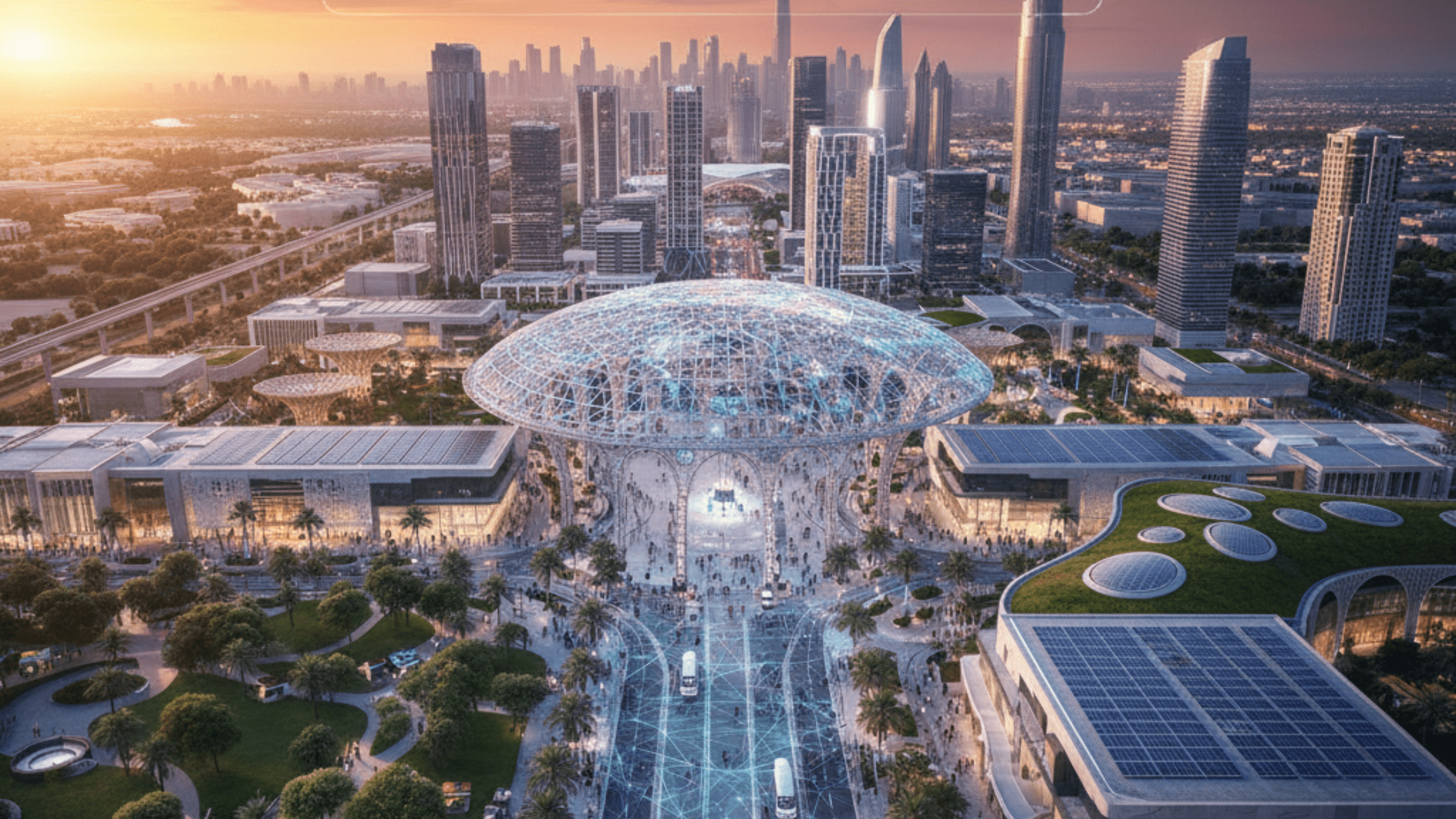
Expo City Dubai is more than just the repurposed site of the spectacular Expo 2020; it is a live, breathing blueprint for the smart, sustainable, and human-centric city of the future. This colossal undertaking is a deliberate conversion from a temporary global exhibition into a permanent, cutting-edge urban center, embedding technology and sustainability at its very core.
The transformation highlights a commitment to creating an urban environment that not only is efficient and technologically advanced but also prioritizes the well-being of its residents and the health of the planet.
The Pillars of Smart City Conversion
Expo City Dubai’s successful conversion rests on a few key, interconnected pillars:
1. Next-Generation Digital Infrastructure
A smart city needs a robust digital backbone, and Expo City was built with this in mind from day one.
- 5G Connectivity: The entire city is fully 5G-enabled, providing the ultra-fast, low-latency communication necessary to run complex smart systems, power autonomous vehicles, and support data-intensive industries.
- IoT and AI Integration: Over 200,000 sensors, cameras, and IoT (Internet of Things) devices are integrated throughout the infrastructure. This network constantly collects real-time data on everything from traffic flow and air quality to energy consumption and security. AI-powered systems analyze this data for dynamic decision-making—for instance, instantly adjusting traffic signals or optimizing public transport routes.
- Centralized Command Platform: A centralized smart city platform (like Siemens’ MindSphere) acts as the brain, connecting and optimizing operations across more than 140 buildings and various city-wide services, ensuring high levels of efficiency and responsiveness.
2. The 15-Minute City Principle
A truly smart city improves the quality of life, and Expo City does this through its urban design philosophy.
- Walkability and Micro-Mobility: The master plan emphasizes the “15-minute city” concept. This means residents can reach essential services—like schools, parks, offices, and retail—within a 15-minute walk or bike ride. This design inherently reduces reliance on private cars.
- Clean Mobility: The city prioritizes pedestrian pathways, cycling tracks, and electric/autonomous vehicle shuttles. Parking is largely underground, leaving the surface streets free of cars in many areas to foster a healthier, more social environment
- Integrated Transport: Seamless integration with the dedicated Dubai Metro (Route 2020) connects the city to the wider emirate, ensuring residents and workers have fast, efficient transit options.
3. Sustainability and Net-Zero Ambition
The conversion leverages the initial focus of the Expo—Sustainability—to become a beacon of green urban development.
- Net-Zero Roadmap: Expo City is committed to achieving net-zero carbon emissions by 2050, with interim targets for significant reductions in carbon footprint, setting a global benchmark for urban decarbonization.
- LEED Certified Buildings: Over 120 permanent buildings on the site have achieved LEED certification, including multiple LEED Platinum and Gold ratings, demonstrating best-in-class energy and water efficiency.
- Renewable Energy: The city incorporates large-scale solar power, including the 12,000 sqm of photovoltaic panels on top of the preserved Terra – The Sustainability Pavilion, and numerous rooftop solar arrays across the site.
- Resource Management: Smart systems enable advanced water conservation through greywater recycling, low-flow fixtures, and smart irrigation, contributing to significantly reduced water demand.
The Urban Testbed for Innovation
Perhaps the most exciting smart city feature is Expo City’s role as a “living lab” or “Urban Testbed.” The ready-built, connected infrastructure allows global businesses, startups, and research institutions to trial cutting-edge technologies in a real-world setting. This includes:
- Testing new generations of autonomous vehicles.
- Developing and refining AI-driven public safety and security systems.
- Deploying new smart grid technologies for energy management.
By constantly welcoming new innovations, Expo City Dubai ensures it remains a model of efficiency and a catalyst for technology that will eventually scale to cities around the world.
Expo City Dubai isn’t just selling a better place to live or work; it’s providing a working model of a future where technology and sustainability merge to create a truly intelligent, resilient, and high-quality urban experience. It is the lasting legacy of Expo 2020, converted into a tangible reality.