
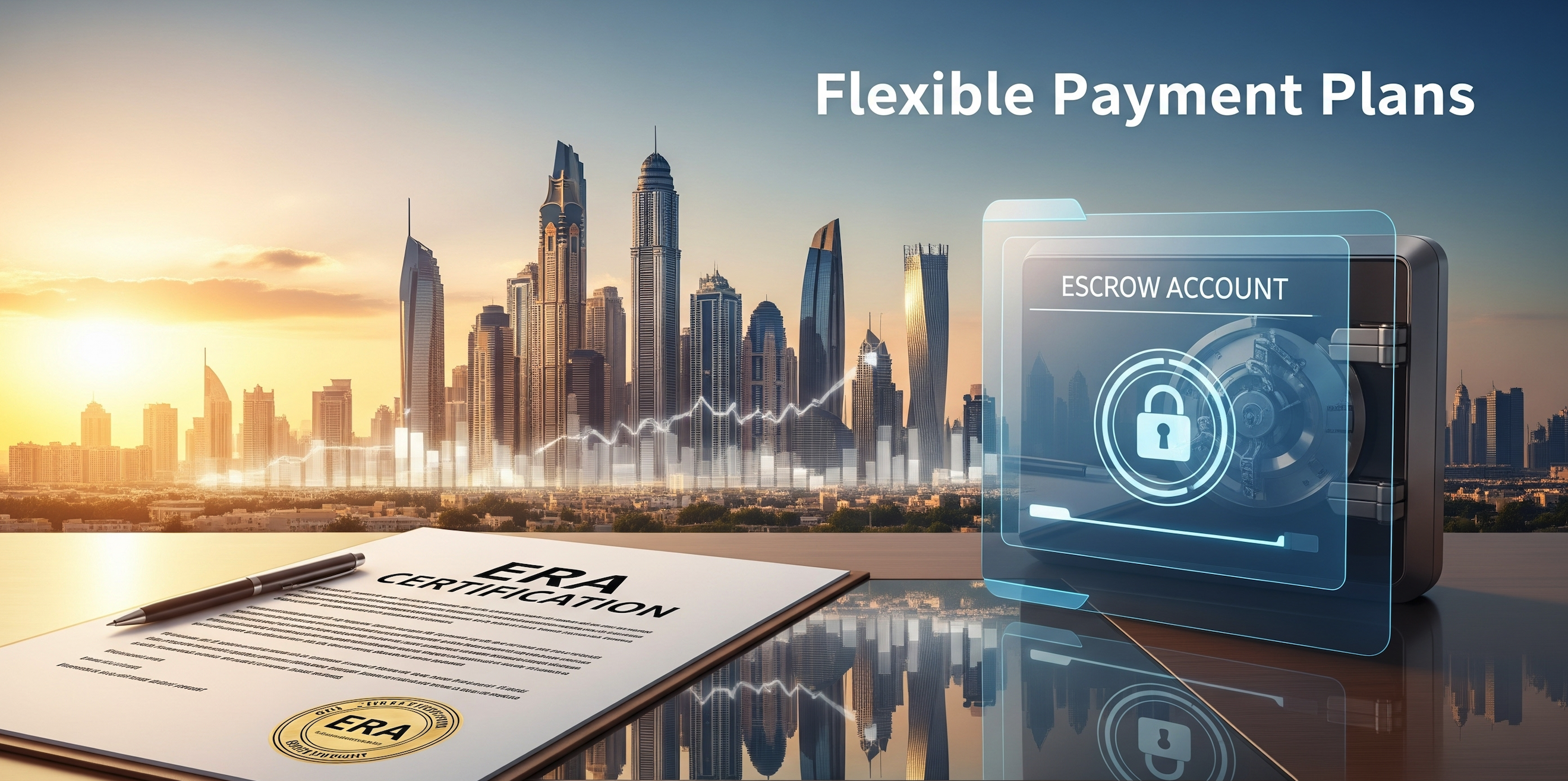
Dubai flexible payment plans have transformed the way people invest in real estate. But are they truly safe for first-time buyers and international investors? In this article, we explain how these plans work, how to spot the safest structures, and why they offer a secure entry point into the Dubai property market.
Why Dubai Offers Flexible Payment Plans
Dubai’s competitive developer ecosystem encourages buyer-friendly payment options. These flexible plans are particularly popular in off-plan properties and are designed to:
-
Attract international investors
-
Reduce the upfront cost of entry
-
Spread payments across construction or post-handover stages
-
Build trust through RERA-regulated escrow frameworks
Most Common Developer Payment Plan Types
| Plan Type | Description | Best For |
|---|---|---|
| 50/50 Plan | 50% during construction, 50% at handover | Balanced risk vs reward |
| 60/40 or 70/30 | Higher payments during build, less at handover | Equity builders |
| Post-Handover Plan (PHPP) | Pay 40%-60% after moving in | Budget-conscious buyers |
| 1% Monthly Plan | Pay 1% per month for several years | Low upfront cost seekers |
| 80/20 with Rental Guarantee | 80% upfront, 20% post-handover with rental returns | Yield-focused investors |
How Dubai Minimizes Risk in Payment Plans
Dubai has implemented strict controls to protect investors, especially those buying off-plan properties:
-
Escrow Accounts: All payments go into escrow until construction milestones are achieved.
-
RERA & DLD Oversight: Developers must register projects and follow DLD-approved guidelines.
-
Milestone-Based Releases: Payments are only released as per construction progress.
These measures make Dubai one of the safest markets for flexible property payment plans.
Which Plans Offer the Safest Structure?
1. 50/50 and 60/40 Plans
-
Balanced risk and reward
-
Payments tied to project progress
-
Popular with trusted developers like Emaar and Sobha
2. Post-Handover Payment Plans (PHPP)
-
Pay smaller amounts during the build
-
Move in before completing full payment
-
Ideal for generating rental income while paying
3. Escrow-Backed 1% Monthly Plans
-
Low barrier for first-time buyers
-
RERA ensures secure disbursement only with progress
Questions to Ask Before Choosing a Payment Plan
-
Is the developer RERA-registered and the project DLD-approved?
-
Is the payment plan backed by an escrow account?
-
Are payments linked to construction progress?
-
What is the expected handover date?
-
Are there any post-handover financial obligations?
Red Flags to Watch Out For
-
Unrealistic incentives not supported by legal documentation
-
No escrow or project registration
-
Heavy upfront collections with no visible progress
Tip: If a deal looks too good to be true, check for compliance with Dubai property regulations.
Benefits of Choosing Safe, Flexible Payment Plans
-
Affordability: Get started with lower initial capital
-
Leverage: Invest in more than one unit
-
Diversification: Spread risk across locations and unit types
-
Exit Strategy: Choose to rent or sell upon handover
Final Thoughts
Flexible doesn’t mean risky. With due diligence and a focus on regulated, milestone-tied plans, buyers can confidently invest in Dubai property without fear.
Dubai’s real estate ecosystem empowers global investors by offering flexible, transparent, and RERA-secured payment options.
Read more related articles here:
Dubai Real Estate Investment 2025: Top Reasons Global Investors Are Buying Now
Dubai Townhouse Market Trends 2025 | Price Growth & Investment Outlook